Selecting the right knife transforms fish preparation from a messy struggle into precise culinary artistry. The delicate flesh, varying bone structures, and different cutting techniques required for fish processing make knife selection critical. This guide examines the essential characteristics that make certain knives superior for fish.
Filleting Knives: The Foundation of Fish Preparation
Filleting knives represent the best types of knives to cut fish for most home cooks and professional chefs. These specialized blades feature thin, flexible construction that allows precise control when separating flesh from bones.
The narrow profile of filleting knives enables close work along the backbone and ribcage. Blade lengths typically range from six to 11 inches, with longer blades suited for larger fish species. Quality filleting knives maintain their edge through extended use while providing the flexibility needed for detailed bone work.
Professional-grade filleting knives often feature high-carbon stainless steel construction that balances sharpness retention with corrosion resistance. The handle design emphasizes grip security, essenital when working with wet hands and slippery fish.
Boning Knives: Precision for Complex Fish Anatomy
Boning knives excel when working with fish that have complex bone structures or when removing specific cuts from larger specimens. The narrow, sharp point allows navigation around bones and cartilage that filleting knives cannot easily access.
These knives work particularly well with species like coho salmon and keta salmon, where precise bone removal enhances the final presentation. The semi-flexible blade provides enough rigidity for controlled cuts, while maintaining the flexibility needed for detailed work.
Blade thickness in quality boning knives measures between 2-3mm, striking the optimal balance between strength and maneuverability. This thickness allows the blade to maintain its edge under pressure, while remaining thin enough for precise cuts.
Deba Knives: Japanese Excellence for Fish Processing
Traditional Japanese deba knives represent centuries of refinement in fish-cutting blade design. These single-bevel knives feature a thick spine that tapers to an extremely sharp edge, creating unmatched cutting power through fish bones and scales.
The asymmetrical grind of deba knives requires specific handling techniques, but delivers superior results when mastered. The thick construction allows these knives to handle the heavy work of breaking down whole fish, while maintaining the precision needed for delicate cuts.
Professional sushi chefs consider deba knives indispensable for their work, as one of the best types of knives to cut fish when ultimate precision and traditional techniques matter most. The high-carbon steel construction typical of authentic deba knives requires careful maintenance, but rewards users with exceptional performance.
Specialized Fish Knives for Specific Applications
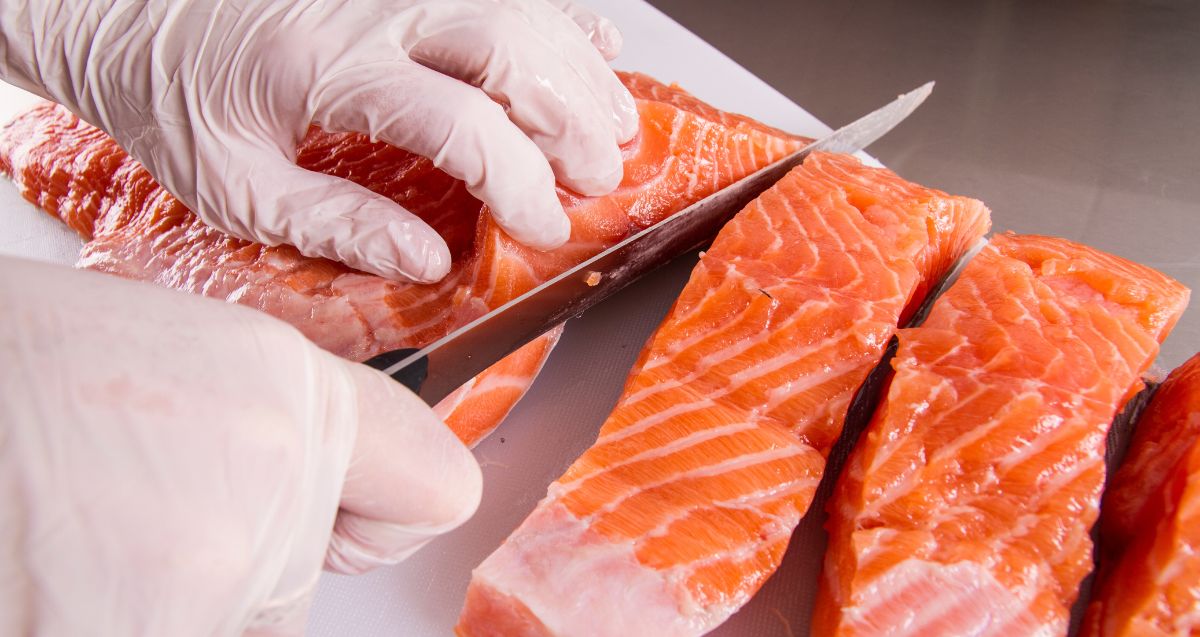
Particular fish species and cutting techniques benefit from highly specialized blade designs. Salmon knives feature extremely long, flexible blades designed specifically for extensive fish processing. These knives often measure 12 inches or longer and excel at creating clean, even cuts through substantial fish portions.
Electric fish knives serve commercial and high-volume applications where speed and consistency matter more than traditional cutting techniques. While purists may dismiss electric options, they deliver reliable results for large-scale fish processing.
Oyster and clam knives, while technically shellfish tools, can be helpful for specific fish preparation tasks. Their short, sturdy blades excel at detailed work around fish heads and removing stubborn scales.
No products found.