Medical professionals rely on precision instruments to perform life-saving procedures every day. While knife enthusiasts often focus on culinary blades or hunting gear, the world of medical cutlery offers a fascinating look at extreme sharpness and specialized engineering. Medical knives, particularly scalpels, represent the pinnacle of cutting technology and material science. This guide to medical knives and their uses will walk you through it all.
The Evolution of Surgical Steel
Surgeons originally used basic metal blades that dulled quickly and posed sterilization challenges. The industry eventually shifted toward advanced materials capable of holding a finer edge for more extended periods. Manufacturers now craft medical knives from surgical-grade stainless steel, titanium, and even synthetic sapphire. These materials ensure consistent performance during delicate operations where every micron counts.
Disposable vs. Reusable Systems
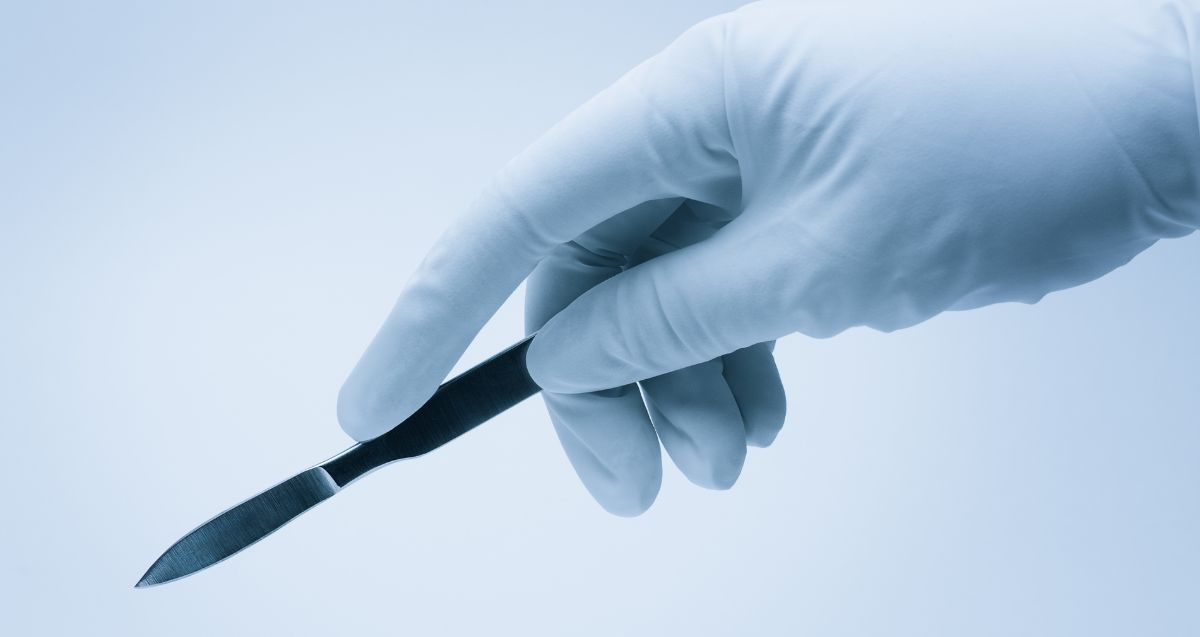
Modern medical environments prioritize infection control above almost everything else. Disposable scalpels use a pre-sterilized blade mounted on a plastic handle. Doctors use these tools once and then discard them to eliminate cross-contamination risks between patients.
Reusable handles with interchangeable blades offer different advantages. High-end handles provide better balance and weight, which helps surgical precision. Surgeons attach a fresh sterile blade to the handle before each procedure. This hybrid approach combines the ergonomic benefits of a permanent tool with the safety of a disposable cutting edge.
Advanced Materials and Coatings
Standard stainless steel serves well for general incisions, but specialized procedures require better materials. Sapphire blades, for instance, maintain an edge far longer than steel. Specialists in ophthalmology and neuroscience prefer these blades for their ability to cut tissue with minimal trauma.
Coatings also play a significant role in blade performance. Some manufacturers apply diamond-like carbon (DLC) coatings to surgical instruments. This coating reduces friction and increases durability. A lower friction coefficient allows the blade to glide smoothly through tissue, promoting faster healing for the patient.
Innovations in Surgical Outcomes
The design of a blade directly influences the success of a surgery. Precise incisions reduce tissue damage, leading to less scarring and a quicker recovery. Researchers and manufacturers constantly study how modern scalpels improve surgical outcomes through better ergonomics and sharper edges. These studies drive the development of tools that feel like natural extensions of the surgeon’s hand.
Beyond the Scalpel
The medical field utilizes more than just standard scalpels. Forceps, scissors, and specialized saws also fall under the umbrella of surgical cutting tools. Each instrument serves a distinct purpose, from dissecting delicate nerves to cutting through bone.
Knife enthusiasts can appreciate the metallurgy and geometry involved in these medical tools. The bevel grinds on a high-quality scalpel often exceed the sharpness of the finest straight razor. This dedication to performance mirrors the obsession custom knife makers have with their own creations.
The Future of Medical Cutlery
Robotic surgery systems now use miniature blades controlled by computers. These systems offer stability that surpasses the capabilities of the human hand. However, the manual scalpel remains a fundamental tool in the operating room.
Medical knives and their uses will continue to evolve as new alloys and manufacturing methods emerge. The quest for the perfect edge drives innovation across the entire knife industry. Whether for a chef or a surgeon, the goal remains the same: a clean, precise cut every time.
No products found.