A sharp knife does more than make meal prep easier. How blade sharpness affects food texture and taste becomes clear in every slice, whether you’re cutting delicate salmon or chopping crisp vegetables.
A clean edge moves through food with less pressure, helping ingredients maintain their structure and look better on the plate. For home cooks and professional chefs alike, the condition of the blade can shape the final result long before the food reaches the stove.
Why a Sharp Blade Changes How Food Feels
A sharp edge slices cleanly through an ingredient instead of crushing it against the cutting board. Vegetables hold onto more of their natural firmness because the blade separates the fibers without causing unnecessary damage. Cutting meat is also a cleaner process, creating more uniform pieces that cook at a similar rate.
A dull knife requires more pressure to complete the same cut. That force can bruise soft produce or flatten delicate proteins. By the time those ingredients reach the pan, their texture may already feel softer or less appealing than it should.
How Dull Blades Damage Texture
A dull edge tends to drag across food rather than move cleanly through it. Tomatoes often collapse because the blade struggles to break through the skin, forcing the cook to press down on the flesh. Delicate fish may tear or flake apart when the knife requires a repeated sawing motion.
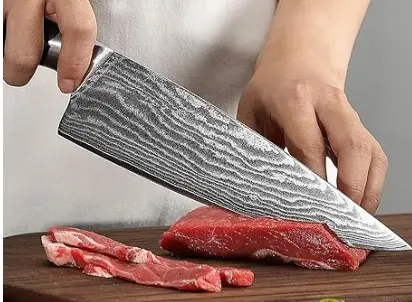
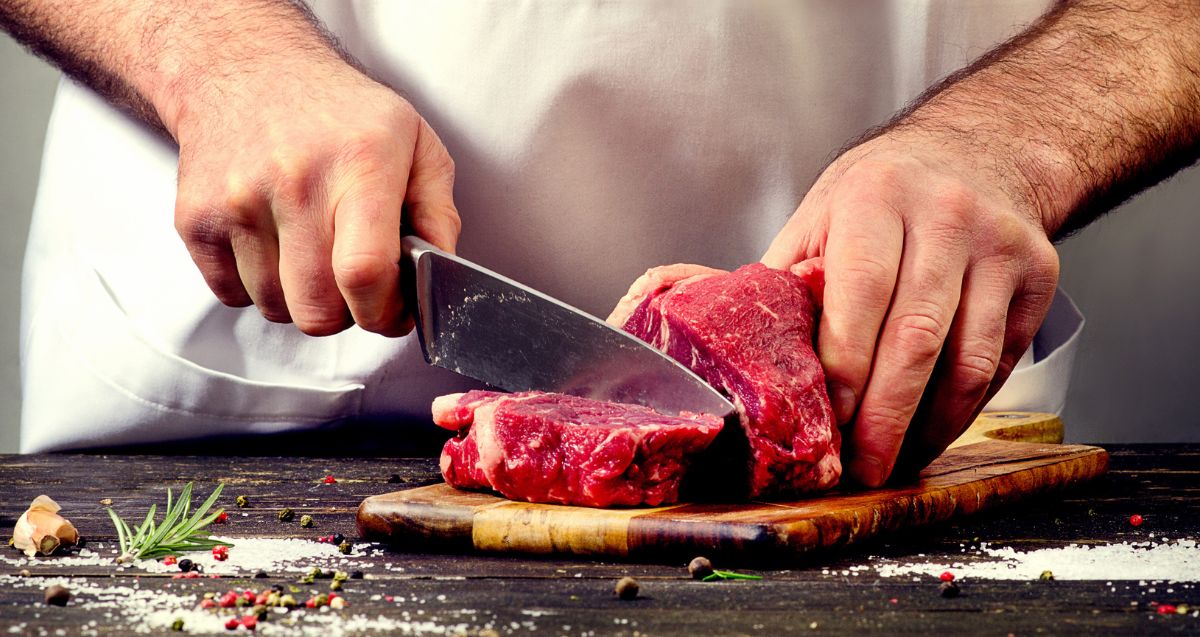
Steak can also suffer when sliced with a dull knife. One of the most common mistakes when cooking strip steaks is using a blade that tears through the meat rather than making smooth cuts across the grain. Uneven slices can feel tougher to chew and may release more juice onto the cutting board before the steak reaches the plate.
The Effect of Sharpness on Flavor
Blade sharpness doesn’t directly change an ingredient’s flavor, but it can affect how that flavor reaches your palate. Cleanly cut foods tend to retain a more pleasant texture, and texture influences how we experience every bite. A crisp vegetable tastes fresher, while a neatly sliced piece of meat feels more tender.
Fresh herbs offer another good example. A sharp knife cuts cleanly through the leaves, while a dull edge can bruise and darken them. Damaged herbs may release their aromatic oils too early, leaving less fragrance and flavor by the time you serve the dish.
Simple Habits That Keep a Blade Ready for the Kitchen
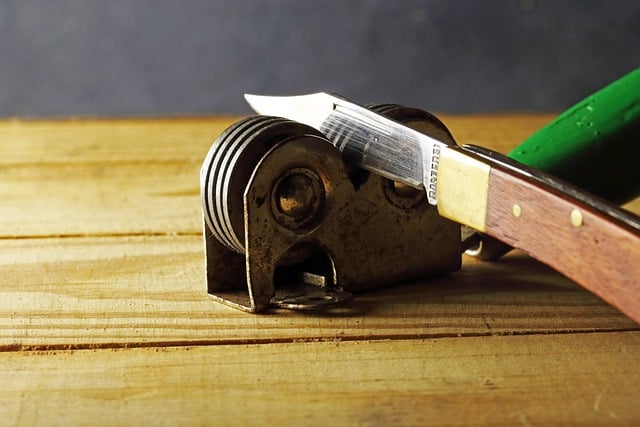
Regular care helps a kitchen knife hold its edge longer. Honing realigns the blade between sharpenings, while a whetstone or professional sharpening service restores an edge that has become genuinely dull.
Proper storage also matters. Keeping knives in a block, sheath, or magnetic strip protects the edge from knocking against other utensils. Handwashing and drying the blade can further reduce wear and prevent corrosion.
How blade sharpness affects food texture and taste depends on the quality of each cut. A sharp knife protects the structure of your ingredients and makes it easier to create even pieces. With regular care, your blade can help everything from fresh produce to a finished steak look and taste its best.
No products found.