Every knife eventually reaches a point where sharpening alone may not be enough. Knowing when a knife can be restored and when to replace it requires taking a closer look at the type and extent of the damage.
Kitchen knives, hunting knives, and everyday carry blades endure different kinds of wear, so the same solution will not work for every blade. Recognizing the difference between a repairable issue and permanent damage can save you money while helping you avoid using a knife that is no longer safe.
Signs Your Knife Can Still Be Saved
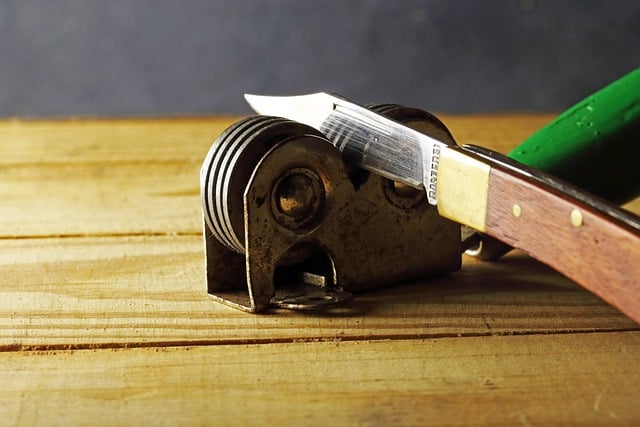
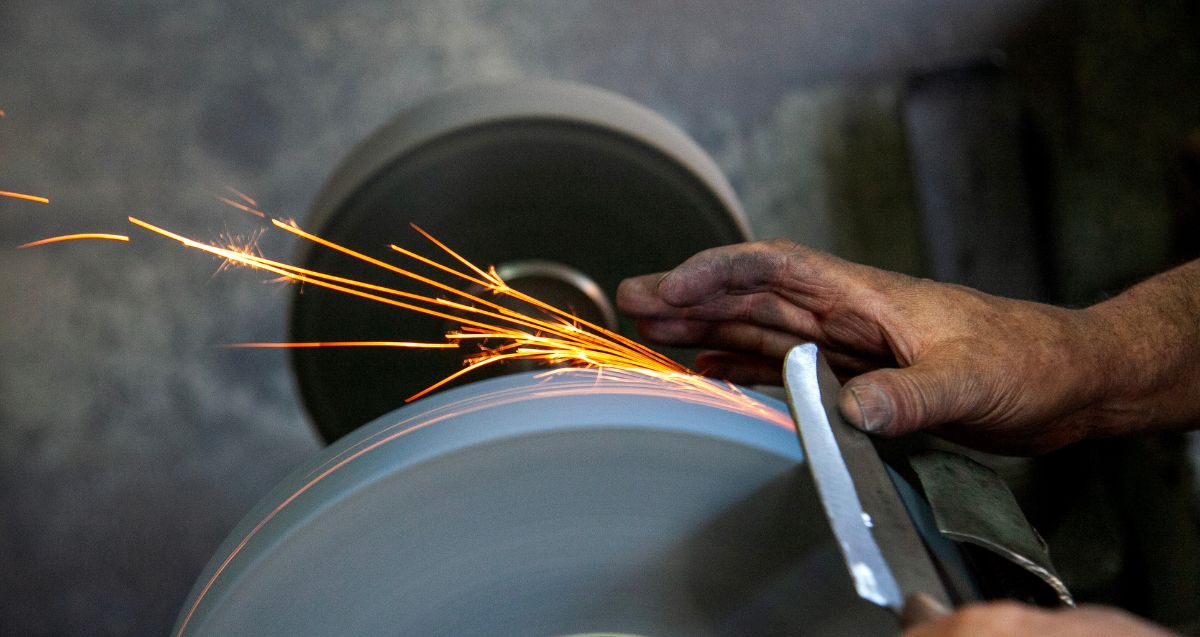
Surface rust or a dull edge doesn’t typically mean a knife needs to be replaced. Sharpening can restore a worn edge, while a mild abrasive and a small amount of oil can remove light rust before it spreads. A loose handle may only need new pins or fresh epoxy to feel secure again.
Before giving up on a knife, inspect it under bright light and examine the damage closely. Many issues that appear serious at first can be corrected with a straightforward repair.
How Steel Type Affects Restoration
The type of steel used in a blade affects both how it wears and whether you can restore it. Carbon steel requires more moisture protection, but it is usually easy to sharpen and can hold a strong edge after repair. Stainless steel resists rust more effectively, though hard impacts may cause it to chip.
Pay close attention to damage near the tip and along the spine. Deep chips or pitting can weaken the steel beneath the surface, even after you remove the visible rust. Hunters who regularly use their knives in wet conditions should inspect these areas often rather than relying on a quick cleaning alone.
When Replacement Makes More Sense
Some types of damage indicate that a knife is no longer safe to use. A cracked blade, broken tip, or tang that has separated from the handle usually calls for replacement rather than repair. A badly bent blade should also be retired, since attempting to straighten it can weaken or crack the steel.
Chefs should stop using any knife that flexes unevenly while cutting, as this can indicate stress within the blade that sharpening will not fix. Hunters should also replace a field knife with a damaged locking mechanism before their next trip. A lock that fails during use can cause serious injury when help isn’t nearby.
Maintenance Habits That Extend a Knife’s Life
Regular maintenance can prevent many of the problems that lead to major repairs or early replacement. Building a few simple care habits into your routine helps protect the blade and extends the life of your knife.
- Dry the blade fully after each use to prevent rust.
- Store knives in a sheath or block rather than a drawer.
- Sharpen on a consistent schedule instead of waiting for visible dullness.
- Oil carbon steel blades before long storage periods.
Protecting your hands is also important when maintaining your knives. Hunters and processors handling sharp edges in the field should care for their Maxiflex work gloves, since torn equipment raises the risk of a slip during a critical cut.
Deciding when a knife can be restored and when to replace it comes down to the type of damage and the steel used to make the blade. Surface damage can often be repaired, but structural problems usually mean it is time to replace the knife. Regular inspections help chefs and hunters catch wear early so they can keep their blades safe and reliable.
No products found.