When choosing a knife, buyers can sometimes focus on the blade steel and cutting edge because those features directly influence performance. The surface finish may receive less attention, even though it affects how the knife looks when new and how its appearance changes with regular use. A highly polished blade might initially seem more refined than one with a matte surface, but that visual difference does not necessarily reflect better craftsmanship.
The finish on a knife’s blade can tell you something about how its surface will respond to everyday use, although appearance alone cannot establish quality. Different finishing methods affect how readily scratches become visible and how much maintenance a blade may need to preserve its original look.
Why Blade Finishes Matter Beyond Appearance
Manufacturers use finishing processes to give blades their final surface characteristics after shaping and preparing the steel. Depending on the method, they may create a smooth reflective surface or a subdued texture that scatters light. These differences affect how the knife looks under various lighting conditions and how readily its surface reveals fingerprints or fine scratches.
The finish can influence a buyer’s expectations, but it should never serve as the sole measure of quality. A beautifully polished blade may have poor edge geometry, while a plain-looking working knife can perform exceptionally well. Steel composition, heat treatment, and blade design determine much more about cutting performance than surface appearance.
What a Satin or Brushed Finish Reveals
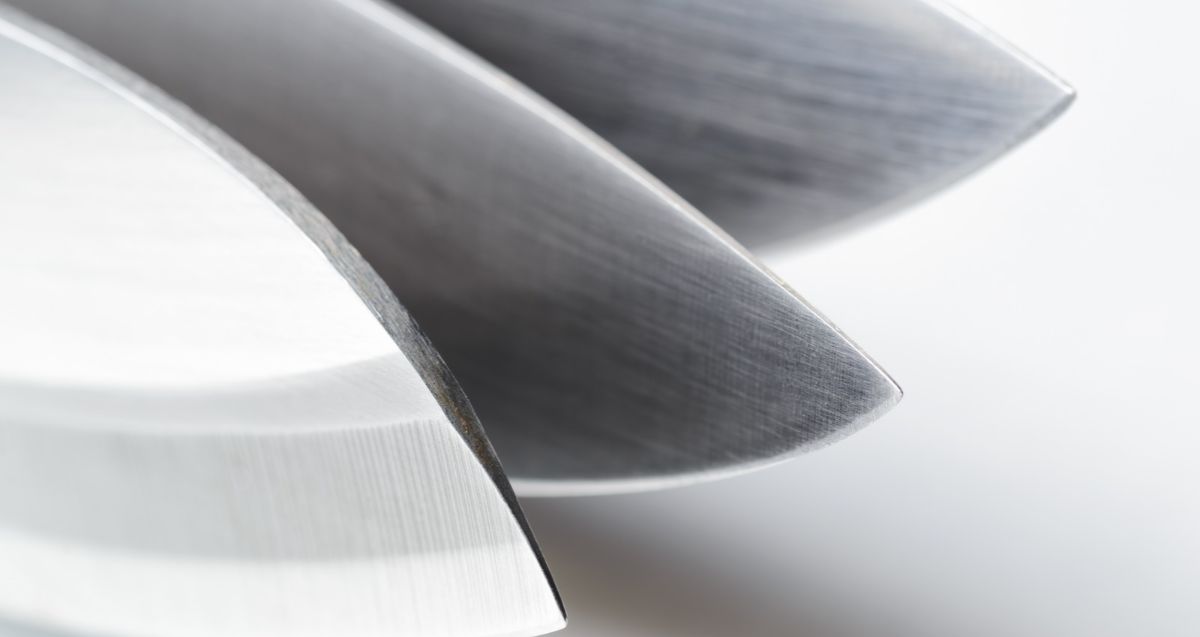
Among everyday carry knives and kitchen knives, satin finishes remain popular because they offer a relatively understated appearance. Manufacturers typically create the characteristic directional lines through controlled abrasion, leaving a surface that reflects light without producing the strong reflections of a mirror polish. Depending on the abrasive and technique, the resulting finish can range from fine and subtle to visibly textured.
The direction of those lines influences how wear appears during use. Fine scratches that follow the existing grain may blend into the surface, while marks crossing it can stand out more clearly. For someone who uses a knife regularly, a satin finish can provide a practical balance between appearance and the inevitable cosmetic changes that accompany normal handling.
What a Mirror-Polished Blade Reveals
A mirror finish immediately attracts attention because its highly reflective surface creates a distinctive appearance. Achieving that effect requires progressively finer abrasives and careful polishing to reduce visible surface irregularities. The result can make a blade look exceptionally refined, particularly on collectible knives or designs that emphasize traditional craftsmanship.
However, the same reflectivity that makes mirror polishing attractive can reveal fingerprints and small scratches. Owners who want to preserve a nearly flawless appearance may spend more time wiping and inspecting the blade.
What a Bead-Blasted Finish Reveals
Unlike finishes that display visible polishing lines, bead blasting creates a relatively uniform matte texture by directing abrasive media against the steel. The process changes the surface’s appearance through numerous small impacts, producing a subdued look that appeals to people who prefer less reflection. The exact texture depends on the blasting media and how the manufacturer controls the process.
That texture can make certain superficial marks less conspicuous, although it may require more attention when cleaning. On some steels, the microscopic surface irregularities can retain moisture or contaminants more readily than a highly polished surface, potentially increasing corrosion concerns under unfavorable conditions. Anyone considering a bead-blasted knife should evaluate the steel’s corrosion resistance alongside the finish.
What the Finishing Process Says About Craftsmanship
Although the finished appearance may look simple, producing a consistent surface requires careful preparation. Manufacturers must control abrasion and polishing to achieve an even result, particularly around curved sections and transitions between blade surfaces. Uneven lines, unexpected changes in texture, or unfinished areas can reveal inconsistencies in the finishing work.
When examining a knife, buyers can look at how consistently the finish extends across the blade and whether the manufacturer has maintained the intended texture around more complicated contours. A satin finish with noticeably uneven polishing lines, for example, may suggest less attention to detail during the final production stages. However, minor variations do not automatically indicate poor construction, especially on knives that manufacturers finish by hand.
Metal fabricators evaluate the advantages and limitations of brushed, bead-blasted, and mirror finishes when choosing surface treatments for different applications. For knife buyers, the relevant lesson is that each finish involves trade-offs in appearance and maintenance.
How Different Finishes Handle Everyday Wear
After several months of regular use, two knives with different finishes may look noticeably different even when their owners handle them similarly. A mirror-polished blade can display fine scratches under direct light, while a satin blade may conceal marks that follow its existing abrasion pattern. Matte finishes can make certain scratches less noticeable, although repeated contact with materials may gradually smooth portions of the surface and create visible differences in texture.
The way a knife develops cosmetic wear depends partly on what it encounters during everyday use. Cutting against abrasive materials, cleaning with rough sponges, or carrying a blade alongside other objects can leave marks that become more apparent on certain finishes. Even careful handling cannot prevent every scratch, especially when a knife serves as a frequently used tool.
Although visible wear may change a blade’s appearance, it does not necessarily indicate a decline in cutting performance. A superficial scratch along the blade’s flat surface generally matters less than damage to the cutting edge or corrosion that compromises the steel. Recognizing the difference between ordinary cosmetic changes and problems that require attention allows owners to evaluate their knives without treating every surface mark as a defect.
Choosing a Finish for Your Knife’s Intended Use
For a knife that will see frequent kitchen work, cleaning convenience and corrosion resistance deserve considerable attention. A smooth finish may make food residue easier to remove, although the blade’s steel and construction remain important considerations. Someone who values a consistently polished appearance should recognize that repeated contact with cutting materials can eventually leave visible signs of use.
Outdoor and everyday carry knives present different priorities because their owners may value subdued reflections or a finish that makes minor scratches less noticeable. A satin finish can suit someone who prefers a conventional appearance with manageable cosmetic wear, while a bead-blasted surface may appeal to buyers seeking a more uniform matte look. Personal preference matters, provided the buyer understands the maintenance implications.
Final Thoughts on Choosing a Knife’s Blade Finish
Although a knife’s appearance may influence your initial impression, its finish deserves consideration for how well it suits your intended use. A highly reflective blade may appeal to someone who appreciates polished craftsmanship, while a more subdued surface can suit those who prefer a less conspicuous appearance. Neither option automatically indicates better cutting performance or greater durability.
What your knife’s blade finish can tell you becomes more useful when you consider how the surface will respond to regular handling. Choosing a finish that matches your preferences and willingness to maintain its appearance can lead to greater satisfaction with the knife, even as everyday use leaves its mark.
See all Knife Blades