Serious knife enthusiasts know that steel gets the spotlight, yet the handle defines control. Evaluating how handle materials affect a knife’s feel reveals why two knives with identical blades can behave differently in the hand.
Grip texture, density, and thermal response shape tactile feedback. Subtle variations change fatigue levels, edge control, and overall confidence during extended use.
Natural Materials: Character and Warmth
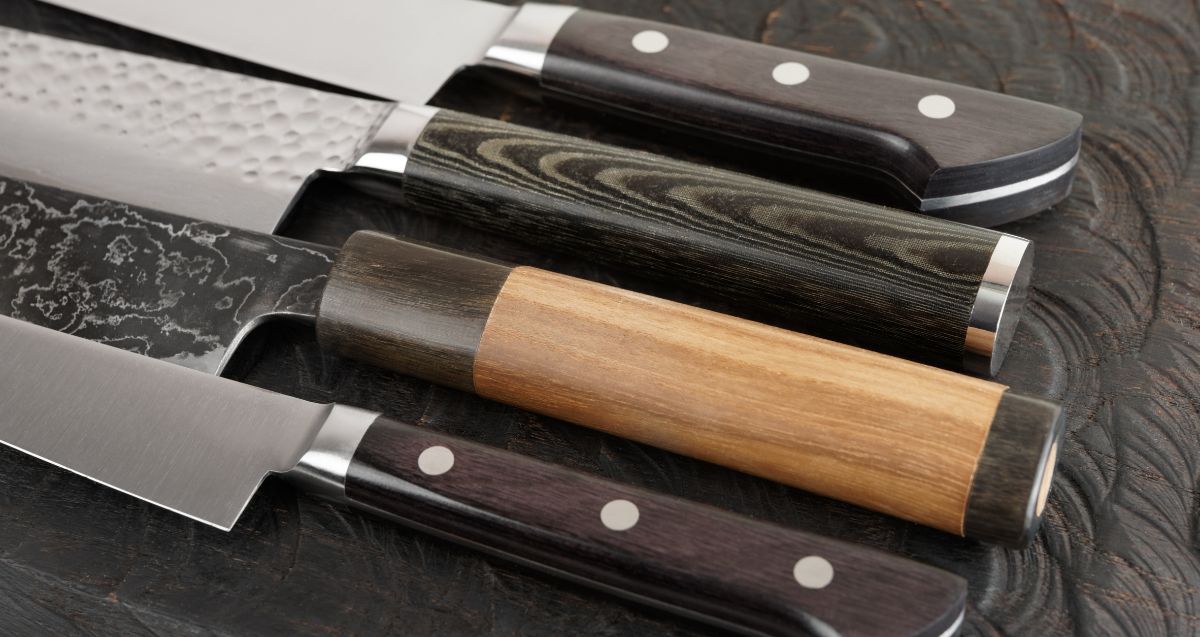
Wood remains a classic choice. Grain structure offers organic texture and a warmer feel in cold conditions. Stability depends on sealing and maintenance, especially in humid environments.
Bone and horn provide visual appeal and historical authenticity. Density varies across pieces, which can subtly alter balance. Surface finishing determines whether the handle feels smooth or slightly tacky.
Natural materials age over time. Patina and wear create character, though they may also reduce traction if not maintained properly.
Synthetic Handles: Precision and Consistency
Modern knife design often favors synthetics for reliability. G-10 and Micarta laminates deliver excellent grip when textured. Their layered construction increases strength without excessive weight.
Meanwhile, thermoplastics are common in production knives. They allow precise molding and repeatable ergonomics. The value of certain thermoplastic materials is their ability to sustain specific temperature ranges. In the case of polypropylene, a tolerance to dishwasher temperatures is a significant factor that makes it popular for home cookware.
Injection-molded handles can incorporate finger grooves, palm swells, and internal reinforcements. Consistency across batches ensures a predictable feel from one knife to another.
Weight and Balance
Handle material influences overall mass distribution. Dense materials shift balance toward the rear, while lightweight synthetics emphasize blade-forward control.
Balance affects cutting rhythm. A neutral balance often feels agile, while a rear-weighted knife may feel more secure during detailed work. Personal preference plays a decisive role.
Texture and Grip Security
Surface finish determines traction. Aggressive texturing improves retention in wet conditions but may cause hot spots during prolonged use. Polished finishes feel refined, but they can become slippery and create a hazard during use.
Choosing With Purpose
Every knife enthusiast benefits from evaluating intended use before selecting a handle material. Kitchen prep, field dressing, and collection display each demand different qualities.
Ergonomics must align with hand size and grip style. Contours that suit one user may fatigue another.
Steel cuts, but the handle communicates. Awareness of how handle materials affect a knife’s feel can sharpen decision-making when selecting or customizing a blade.
Material choice influences comfort, durability, and control in equal measure. Careful evaluation ensures the knife feels like a natural extension of the hand.
No products found.