Cold temperatures and excess moisture can take a serious toll on household tools and gear. Knives may develop rust, wooden handles can crack, and outdoor equipment may suffer damage from freezing conditions. Homeowners who neglect seasonal maintenance risk shortening the lifespan of equipment they depend on throughout the year. A few preventive measures can keep essential tools in dependable condition until warmer weather returns.
Proper maintenance becomes especially important for knives and other cutting tools. Changes in humidity can affect steel blades, and poor storage conditions may compromise their cutting performance. Even stainless steel knives require attention when temperatures fluctuate and condensation develops on metal surfaces. Preparing equipment before winter arrives helps homeowners avoid unnecessary repairs and maintain safer working conditions.
1. Inspect Knives and Cutting Tools for Damage
Begin your winter tool and outdoor gear care routine with a thorough inspection of every frequently used cutting tool. Examine kitchen knives, hunting knives, utility blades, and pruning shears for visible signs of wear. Look closely at cutting edges for chips or irregularities that could interfere with performance. Check handles and fastening components to ensure they remain secure during normal use.
Carbon steel knives deserve particular attention because moisture can cause corrosion to develop quickly. Stainless steel offers better corrosion resistance, but prolonged exposure to damp conditions can still damage its surface. Folding knives also require careful examination around their pivots and locking mechanisms. Replace or professionally repair any tool with structural damage that could make operation unsafe.
2. Clean and Dry Blades Before Storage
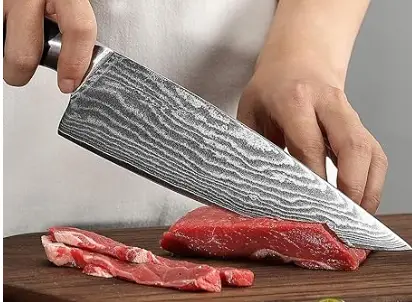
A clean blade provides the foundation for effective winter knife maintenance. Dirt and moisture can remain on steel surfaces after ordinary use and contribute to corrosion. Wash kitchen knives by hand with mild dish soap unless the manufacturer recommends another cleaning method. Dry each knife immediately with a clean towel, paying particular attention to the area where the blade meets the handle.
Outdoor knives may require additional cleaning after contact with soil or plant residue. Use a soft brush to remove stubborn debris without scratching the blade’s protective finish. Once the metal dries completely, apply a thin coating of protective oil when the manufacturer recommends it. Choose food-safe oil for culinary knives and avoid using workshop lubricants on surfaces that contact food.
Pay particular attention to knives that homeowners use for outdoor projects during colder months. Cutting damp rope or handling wet materials can introduce moisture into areas that routine wiping may miss. Inspect the blade’s base and any exposed fasteners after completing these tasks. This extra attention helps prevent corrosion from developing in areas that are difficult to clean later.
3. Sharpen Cutting Edges Before Winter
Sharp knives require less cutting force and provide better control during routine tasks. A dull blade can slip unexpectedly when the user applies excessive pressure to complete a cut. Inspect each cutting edge under good lighting to identify rolled sections or damaged areas. Address minor dullness before seasonal storage, so that the knife remains ready for its next use.
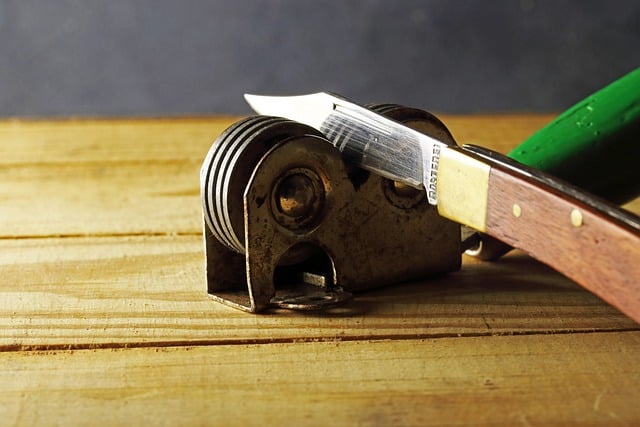
Different blades require sharpening methods that match their original edge geometry. Whetstones offer precise control for kitchen knives, whereas suitable guided systems can simplify angle consistency. Garden tools may require files or specialized sharpeners designed for their thicker cutting edges. Avoid removing unnecessary steel, and clean away sharpening residue before returning the equipment to storage.
Sharpening frequency should depend on the knife’s condition rather than on a fixed schedule. A blade that retains a clean cutting edge may only need light maintenance before storage. Excessive sharpening removes material and can gradually alter the blade’s original shape. Follow the manufacturer’s recommendations when selecting sharpening angles or maintaining specialty blade designs.
See the Best Selling Knives
4. Choose a Dry Location for Winter Storage
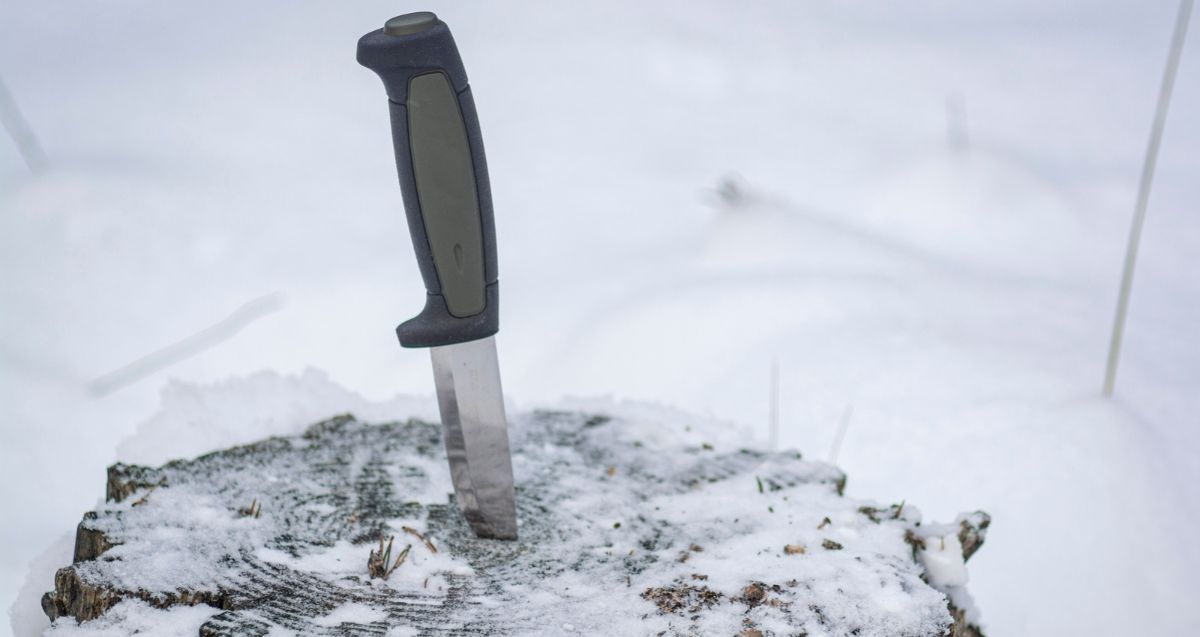
Proper storage plays a major role in preventing corrosion and preserving cutting performance. Unheated garages and outdoor sheds can experience significant changes in temperature throughout the season. When warmer air contacts cold metal, condensation may form on the tool’s surface. A consistently dry indoor location generally offers better protection for valuable knives and moisture-sensitive equipment.
Effective winter tool and outdoor gear maintenance also requires organizing storage areas to protect sharp edges and prevent unnecessary damage. Homeowners should keep frequently used knives separate from heavier tools that could strike their blades. Protective storage accessories help reduce accidental contact and maintain the condition of cutting edges. The following precautions can improve storage conditions throughout the colder months.
- Keep knives in dedicated storage blocks, protective cases, or secure drawers.
- Use blade guards to prevent accidental contact with exposed cutting edges.
- Avoid leaving knives inside damp leather sheaths for extended periods.
- Store garden tools above floor level to limit exposure to moisture.
- Use suitable moisture absorbers in enclosed cabinets when necessary.
Arrange stored equipment so sharp edges cannot contact other tools. Avoid overcrowding drawers because repeated contact can damage finely sharpened knife blades. Keep frequently used cutting tools accessible without exposing household members to accidental injury. Check storage areas periodically for leaks or unexpected moisture buildup.
5. Inspect Outdoor Fixtures and Equipment
Outdoor maintenance deserves attention because winter conditions affect more than handheld tools. Ice accumulation can place additional stress on exposed hardware, particularly when strong winds accompany freezing temperatures. Inspect accessible mounting brackets and mechanical connections for corrosion or visible damage. Address loose components before severe weather increases the risk of equipment failure.
Flagpoles demonstrate how different outdoor materials respond to seasonal weather conditions. Fiberglass resists the rust that affects untreated steel, but its finish and associated hardware still require attention. Changes in temperature can also influence components that support the pole or allow its accessories to function.
Use appropriate equipment when removing snow or ice from accessible outdoor surfaces. Avoid scraping coated fixtures with utility knives or other sharp blades because the cutting edges can damage protective finishes. Never climb icy structures or attempt repairs on unstable outdoor installations during severe weather. Contact a qualified professional when equipment requires inspection beyond safe ground-level access.
6. Prepare Garden Cutting Tools for Seasonal Storage
Garden knives and pruning equipment need thorough cleaning before extended winter storage. Soil residue can trap moisture against metal surfaces and encourage corrosion. Remove accumulated dirt with an appropriate brush, then clean each blade according to its manufacturer’s instructions. Allow all components to dry completely before applying a suitable protective coating.
Examine pruning shears and loppers for damaged cutting edges or loose connections. Check whether replacement springs or other components require attention before the next growing season. Store these tools on wall-mounted racks or inside cabinets that protect them from moisture. Position exposed blades away from walkways to reduce the risk of accidental contact.
Some garden tools contain removable cutting components that require separate maintenance. Follow the manufacturer’s instructions before disassembling equipment or attempting repairs. Examine replacement blades for compatibility and install them only according to the recommended procedure. Addressing worn components before spring helps prevent unexpected problems when gardening activities resume.
Keep Your Tools in Good Condition All Winter
Winter weather creates challenges for knives and household equipment, but preventive maintenance can reduce avoidable damage. Thorough cleaning and careful storage help preserve cutting edges and protect tools against corrosion. Homeowners should also inspect outdoor hardware and follow manufacturer recommendations for specialized equipment. Regular attention throughout the season keeps essential tools dependable and ready for future projects.