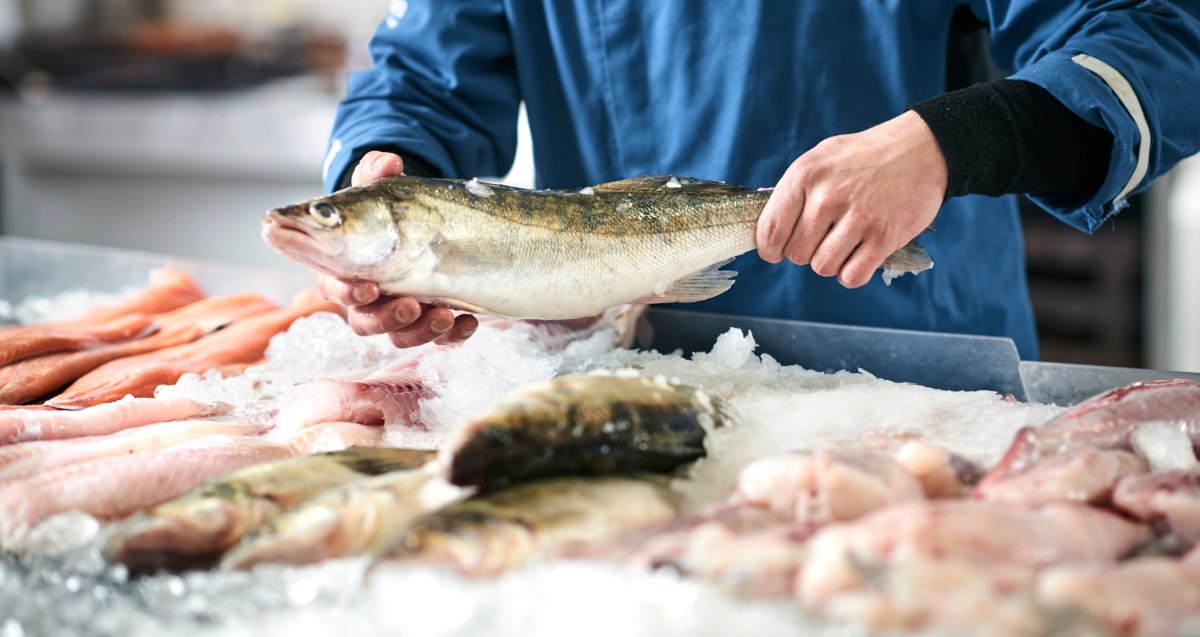
Preparing fresh fish requires precision, patience, and the right knife skills. Even premium knives deliver poor results without proper technique and careful handling. Every clean cut protects the texture of the fish while improving safety in the kitchen.
Whether you prepare your daily catch or work as a professional chef, strong knife habits make every step more efficient. Explore our best knife handling tips for preparing fresh fish.
Choose the Right Knife for the Job
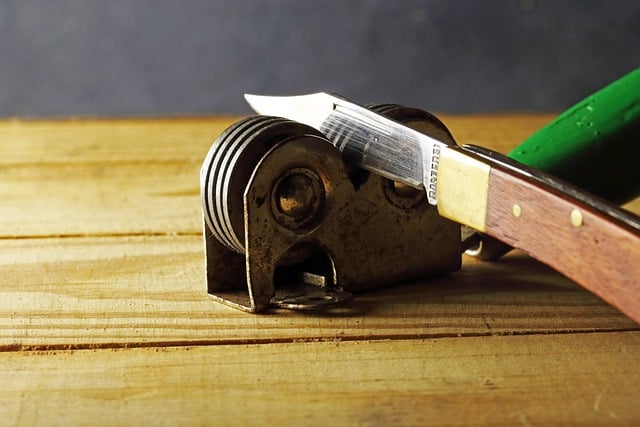
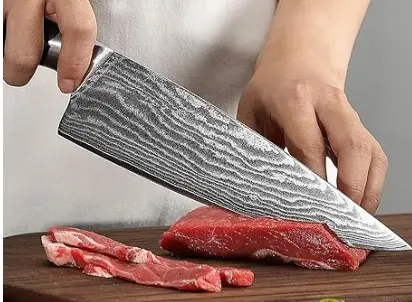
Different fish preparation tasks require different blade designs. A flexible fillet knife follows the bones with ease, while a sturdy chef’s knife handles larger cuts and tougher sections. Keep your knife razor sharp because a dull edge forces extra pressure and increases the risk of slipping. Select the appropriate blade before you begin instead of trying to complete every task with one knife.
Build a Safe Cutting Station
A stable workspace supports better knife control from the first cut to the last. Place a damp towel beneath your cutting board to prevent movement during filleting. Dry your hands whenever they become slippery from water or fish oils to maintain a secure grip. Keep your workspace organized so you never reach across an exposed blade or loose tools.
The following habits improve safety and precision:
- Sharpen your knife before every fish preparation session.
- Grip the handle firmly without squeezing too tightly.
- Curl your guiding fingers away from the blade edge.
- Wipe the blade clean throughout the process to remove scales and residue.
- Store the knife in a protective sheath or knife block immediately after cleaning.
Master Smooth and Controlled Cuts
Clean fillets come from steady movements instead of brute force. Let the sharp edge glide through the fish with long, consistent strokes while maintaining gentle pressure. Avoid aggressive sawing motions because they tear delicate flesh and reduce presentation quality. Practice on different fish species to develop better control and improve your confidence with every session.
Preparing premium seafood also sharpens your technique because each species responds differently to the blade. For example, the rich and buttery mouthfeel of sablefish rewards careful slicing that preserves its delicate texture and attractive appearance. Gentle knife work keeps the flesh intact while reducing unnecessary waste. Consistent practice with high-quality fish builds skills that transfer to every future preparation.
Keep Your Knife in Peak Condition
Proper knife maintenance remains just as important as cutting technique. Wash your knife by hand with warm water and mild soap immediately after use instead of leaving it in the sink. Dry the blade completely before storage to reduce corrosion and protect the edge. Regular honing keeps the blade aligned, while periodic sharpening restores maximum cutting performance.
Practice Respect for the Blade
Every experienced chef and hunter understands that confidence should never replace caution. Focus completely on the task instead of rushing through preparation or allowing distractions into your workspace. Slow, deliberate movements create cleaner cuts while reducing the chance of accidents. Respect for your knife, your ingredients, and your technique leads to better meals and safer food preparation every time.
Knife handling improves through repetition rather than shortcuts. Challenge yourself with different fish sizes and cutting techniques to expand your experience over time. Watch experienced professionals, refine your grip, and evaluate each finished fillet for areas that need improvement. Integrate these knife handling tips into your fresh fish preparation to master this art in your culinary adventures.
No products found.