
Woodworking combines artistry and skill. However, alongside your precise skills, you also need the right tools.
One of the most important tools is the woodworking knife. This style of knife accommodates a wide variety of projects, such as intricate carvings and shaping raw wood. Here’s everything you need to know about woodworking knives, so you can improve your craft.
Why Woodworking Knives Matter
Every cut counts. Therefore, it’s vital to have the right woodworking supplies before you begin a project. A good knife creates clean cuts, detailed work, and smooth finishes.
Not to mention, the knife can access tight areas that large tools can’t access. This feature is especially valuable for fine projects such as sculptures, furniture pieces, and intricate artwork. With the right knife, you’ll reduce splintering, minimize sanding time, and improve efficiency when working with both hard and soft woods.
Types of Woodworking Knives
Woodworking knives come in various types, each designed for specific tasks. The main types of woodworking knives include:
- Carving knives are perfect for detailed patterns and figurines. They feature thin, sharp blades with comfortable ergonomic handles.
- Chisel knives commonly have beveled edges, making them versatile and ideal for shaping, smoothing, and creating grooves.
- Utility or bench knives are great for cutting thin wood, marking, and trimming materials.
- Hook knives feature a curved blade that’s beneficial for scooping or hollowing wood in projects like bowls or spoons.
- Specialty knives accommodate unique tasks such as chip carving and fine detailing.
Blade Materials
The material of a knife determines its sharpness and durability. Each type has different benefits, so make sure you’re familiar with them before making a purchase.
- High-carbon steel is ideal for detailed work. Knives constructed from this material are extremely sharp and precise, but they can suffer from rust without care.
- Stainless steel is excellent when working in a humid environment. Plus, it’s corrosion-resistant and great for beginners. However, it does have a slightly lower edge retention than other knives.
- Tool steel is suitable for heavy-duty cuts due to its durable, professional-grade construction.
Maintenance and Safety Tips
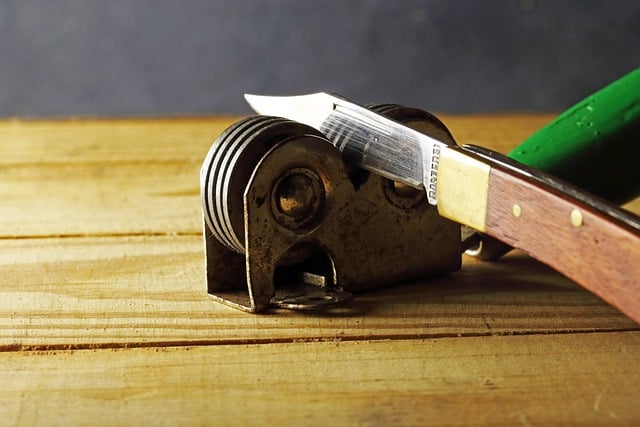
Routine care guarantees that woodworking knives perform exceptionally, so sharpen knives regularly to maintain their efficiency. After use, always clean the knives to remove resin or dirt. Then, store them in a sheath or tool roll. For high-carbon blades, add a thin layer of oil to prevent rust.
Use woodworking knives carefully. No matter how confident you may feel, always cut away from yourself, keep a firm grip, wear cut-resistant gloves, and maintain focus while working.
Investing in quality knives enhances your skill and results. Now that you’ve read up on what you need to know about woodworking knives, your projects will reach new heights. Choose the right knives and create pieces with confidence!
No products found.