You’ve probably heard that you should buy the best knife you can afford. In many cases, that advice holds up, but there are moments when a cheap knife is actually the better choice. If you hunt, cook professionally, or spend serious time outdoors, you already know that not every task deserves your most expensive blade.
Let’s break down when going budget makes practical sense.
1. In Hard-Use Environments
Field work puts serious strain on a knife. You cut through hide, cartilage, and sometimes bone. Even disciplined users push their knives hard during long days.
When you face unpredictable conditions, a cheaper knife offers freedom. You won’t hesitate to baton kindling, scrape a ferro rod aggressively, or loan it to a partner. If you chip the edge or snap the tip, you won’t feel sick about it.
2. When You Might Lose the Knife
Knives can slip into rivers, slide off boats, and vanish in tall grass before you even notice. If you cook near water or hunt in thick brush, you’ve probably sacrificed a blade or two.
In these environments, a budget knife makes practical sense. You still get control and cutting power, but you eliminate the financial hit if it drops overboard or sinks into mud. Many seasoned outdoorsmen carry a dedicated “use-and-lose” blade for exactly this reason.
Smart packing always comes down to risk management. When you organize your loadout, just as you would when packing the essentials for a trip on the water, you match each piece of gear to the environment.
3. For Food Prep That Demands Frequent Replacement
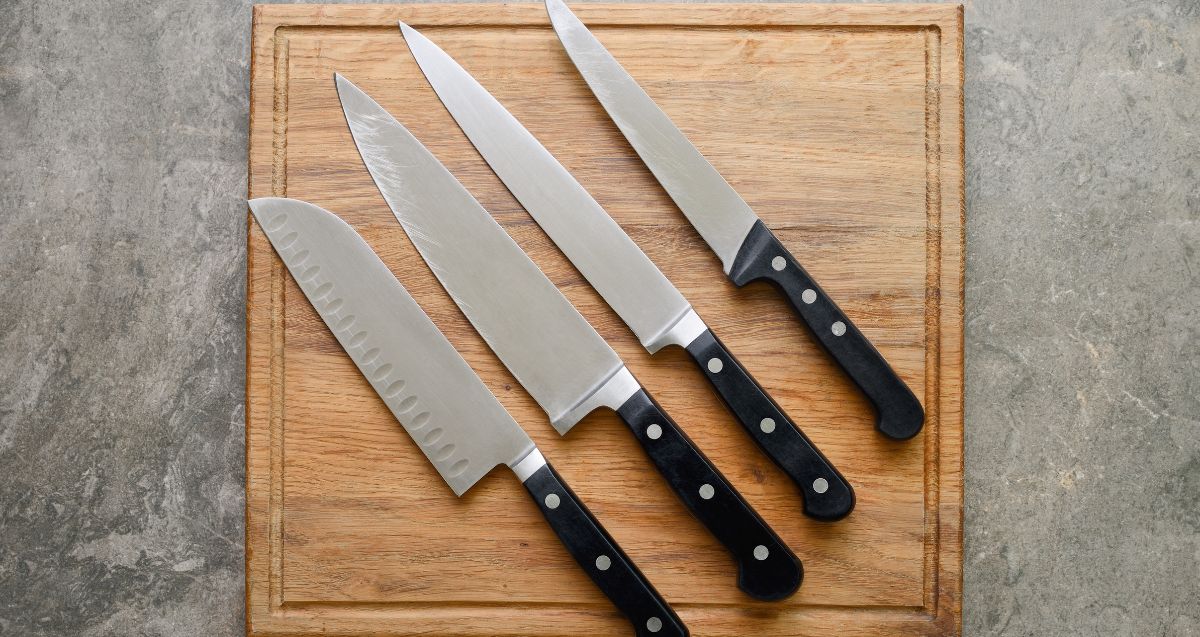
In high-volume kitchens, knives endure constant sharpening, acidic ingredients, and heavy board contact. Over time, even premium steel wears down.
A well-made, inexpensive knife is the better choice here. Many budget kitchen knives use softer stainless steel that sharpens quickly and easily. You can restore a working edge in minutes without babying the blade.
For prep cooks, line cooks, or culinary students, affordability encourages proper technique. You can practice sharpening, thinning, and even minor repairs without fear of ruining a collector-grade knife.
4. To Build Technique Without Risk
If you train new hunters or kitchen staff, you won’t hand them a rare custom blade. Beginners apply uneven pressure, over-sharpen edges, and mishandle maintenance. A lower-cost knife absorbs those mistakes while they build control and discipline.
You can also use budget knives to test edge profiles, grinds, or sharpening systems. Before committing your premium hunting or chef’s knife to a new technique, experiment on something less valuable.
What To Look For in a Quality Budget Knife
Even at a lower price point, you should demand certain standards:
- Full tang construction for strength
- Comfortable, secure handle
- Simple steel that sharpens easily
- Reliable sheath or blade guard
Serious knife enthusiasts respect quality. High-end blades have their place, especially when precision, edge retention, and craftsmanship matter most. Still, smart professionals choose tools based on context. When you evaluate your next purchase, ask yourself one question: what will this knife actually do?
No products found.