Every beginner benefits from a reliable starter set before buying expensive specialty blades. These essential knives for all new home cooks handle daily prep with less frustration and more confidence in the kitchen.
Chef’s Knife
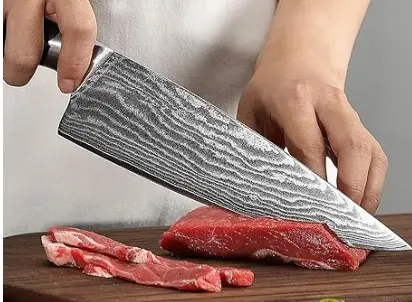
A chef’s knife handles the widest range of kitchen tasks. Most home cooks use it for chopping vegetables, slicing meat, mincing herbs, and crushing garlic.
An 8-inch blade offers excellent control without feeling too large. Comfortable grip matters more than flashy design when practicing knife skills. Stainless steel blades work well because they resist rust and require less maintenance.
Consistent practice with a chef’s knife helps new cooks improve speed, accuracy, and safety.
Paring Knife
Small tasks become much easier with a paring knife. Peeling fruit, trimming vegetables, deveining shrimp, and slicing strawberries all require precision.
A short blade gives better control during delicate cuts. New cooks often overlook this knife, yet it quickly becomes one of the most frequently used tools in the kitchen.
Simple prep work feels smoother when a cook has the right blade for detailed tasks.
Serrated Bread Knife
Soft bread and delicate produce often get crushed by straight-edged blades. Serrated knives solve that problem with teeth designed to grip surfaces cleanly.
Many beginner cooks underestimate how often they need a serrated knife until they start preparing meals regularly. In use, bread knives work well on tomatoes, citrus, and cakes. These long blades create smooth slices with less pressure.
Utility Knife
A utility knife fills the gap between a chef’s knife and a paring knife. Mid-sized blades work well for sandwiches, smaller fruits, cheeses, and quick prep jobs.
Busy home cooks often appreciate tools that multitask well. These versatile compact blades also feel less intimidating for beginners still building confidence with larger knives.
Boning Knife
Home cooks interested in preparing fish, poultry, or larger cuts of meat benefit from a boning knife. Narrow blades separate meat from bone with greater precision.
Flexible blades work especially well for fish and chicken. Stiffer blades suit beef and pork better.
Outdoor enthusiasts who enjoy hunting or fishing may already appreciate how useful a quality boning knife can be during food preparation.
Getting Better Results From Your Knives
Having the right style of blade isn’t enough to get great results every time. Sharp blades make cooking safer, faster, and more enjoyable. Dull knives often slip during cutting because they require extra pressure—hindering your cuts and putting your fingers at risk.
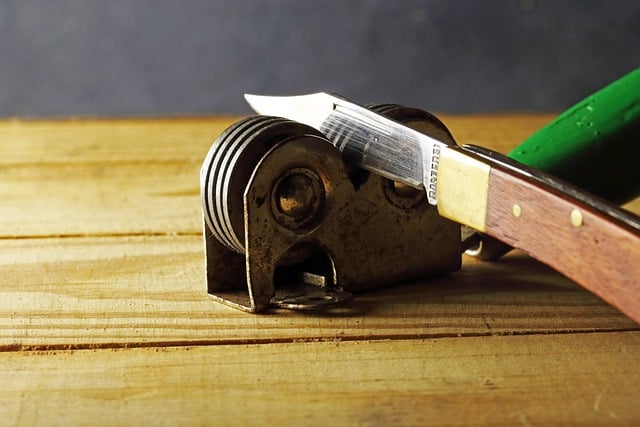
A simple knife sharpener is one of several time-saving kitchen gadgets worth picking up as a home cook. Keep in mind that if you invest in high-quality blades, you’ll want to invest in a great sharpening option too.
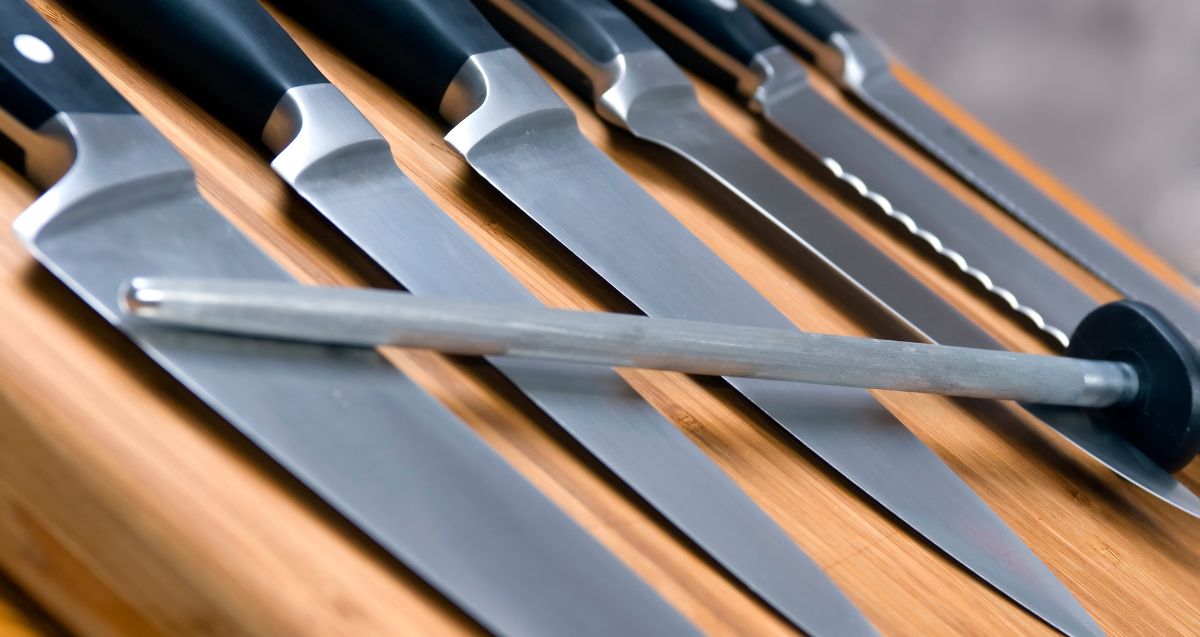
Proper storage also helps knives last longer. Skip the kitchen drawer if you can. Magnetic strips and wooden blocks protect edges from unnecessary wear.
Regular cleaning matters as well. Hand washing and immediate drying prevent damage and help your blades perform consistently.
Building Skills With the Right Blades
A thoughtful starter collection gives beginners the confidence to cook more often and improve their technique. These essential knives for all new home cooks cover nearly every everyday kitchen task without overwhelming a new cook with unnecessary specialty tools.
No products found.