When most people picture arborists at work, they think of ropes, helmets, and chainsaws. Knives don’t always come to mind first, but they have a clear place on the job.
Looking at the types of knives arborists use in their work gives you a better sense of how much precision, safety, and quick decision-making go into tree care. Ever wonder why one blade stays on a harness while another handles cleanup on the ground? It usually comes down to the task at hand.
Handsaw
A handsaw gives arborists a clean, controlled way to cut small to medium limbs when a chainsaw would be too bulky or too aggressive. It works well in tight canopies, especially when careful pruning is the goal. Many arborists keep one within easy reach because it handles quick cuts without adding much weight. The curved blade helps it bite into wood fast, and the fixed handle gives a reliable grip when they’re working off the ground and need precision instead of raw cutting power.
Pruning Knife
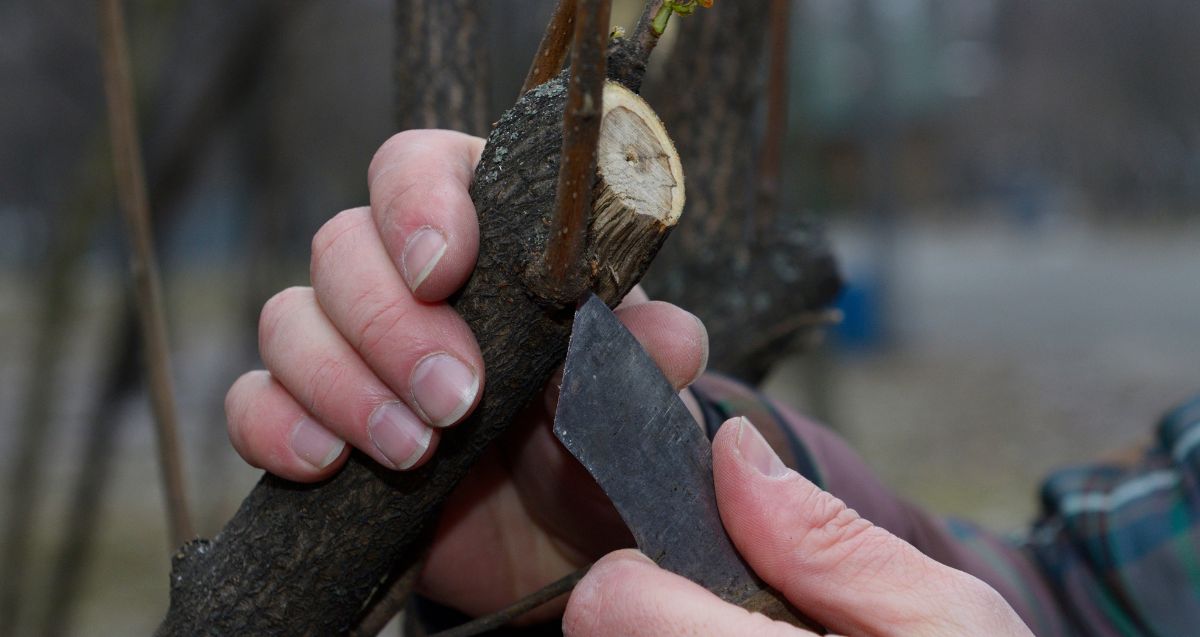
For smaller, more exact work, arborists sometimes reach for a pruning knife instead of a larger cutting tool. The blade gives them better control when they’re cleaning up bark, trimming fresh growth, or making neat cuts on delicate plant material. It’s a simple tool, but in the right moment, it does a job that a bulkier knife just can’t handle as cleanly.
Folding Knife
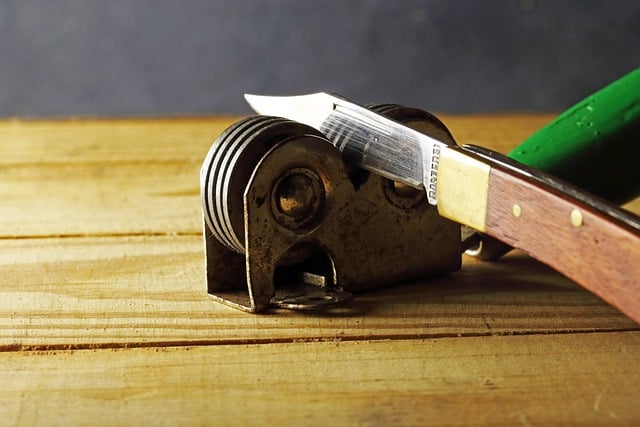
A folding knife gives arborists a compact option they can carry in a pocket or clipped to a harness without taking up much space. It helps with quick utility work like trimming rope ends, opening packaging, or cutting light materials on the job. Folding knives are popular because they’re easy to carry, easy to access, and useful for the small cutting tasks that come up all day.
Fixed-Blade Knife
A fixed-blade knife works well for tougher utility tasks that need more strength than a folding knife usually offers. Arborists may use one when they’re cutting heavy rope, slicing through thick straps, or dealing with material that resists a smaller blade. Since there’s no hinge, the knife feels solid in hand and holds up well under pressure. That added durability makes it a practical choice for job sites where tools take a beating and quick, dependable access counts.
Serrated Rescue Knife
A serrated knife is a must-have piece of climbing and rigging gear for arborists. Should a rope become tangled, fray badly, or get pinned while the arborist is aloft, they need a sharp, reliable knife they can use to cut the rope and safely get down.
A serrated rescue knife has a jagged blade edge that grips tough material as it cuts. The teeth help the blade catch instead of slipping across the surface, which gives the user a more controlled cut when the material is under tension or hard to hold steady.
The Right Blade for the Job
Once you look at the types of knives arborists use in their work, it’s easy to see these tools aren’t just extra gear clipped onto a harness. Each one has a clear purpose, and that purpose can make the work smoother and safer. Knowing what each knife is built to do gives you a clearer view of how arborists work day to day.
No products found.