Knife manufacturing has always required careful control over how steel takes shape before it becomes a finished blade. Today, laser cutting gives manufacturers an accurate way to handle that early production stage. Instead of removing material through prolonged mechanical cutting, a concentrated laser beam follows a programmed path through the steel. To understand how laser cutting is changing knife manufacturing, you first need to see what the technology brings to each stage of production.
Laser Cutting Starts With a Digital Blade Design
Before a laser touches the steel, a designer creates the knife as a digital model. Computer-aided design software defines the blade profile and any other features the manufacturer wants the laser to cut. The cutting system reads those dimensions and follows them as it moves across the sheet.
This digital starting point gives manufacturers direct control when they revise a knife design. A designer can change the file before the next production run rather than creating a new physical cutting pattern. The laser then follows the revised dimensions when it cuts the next blank.
A Focused Beam Cuts the Blade Profile
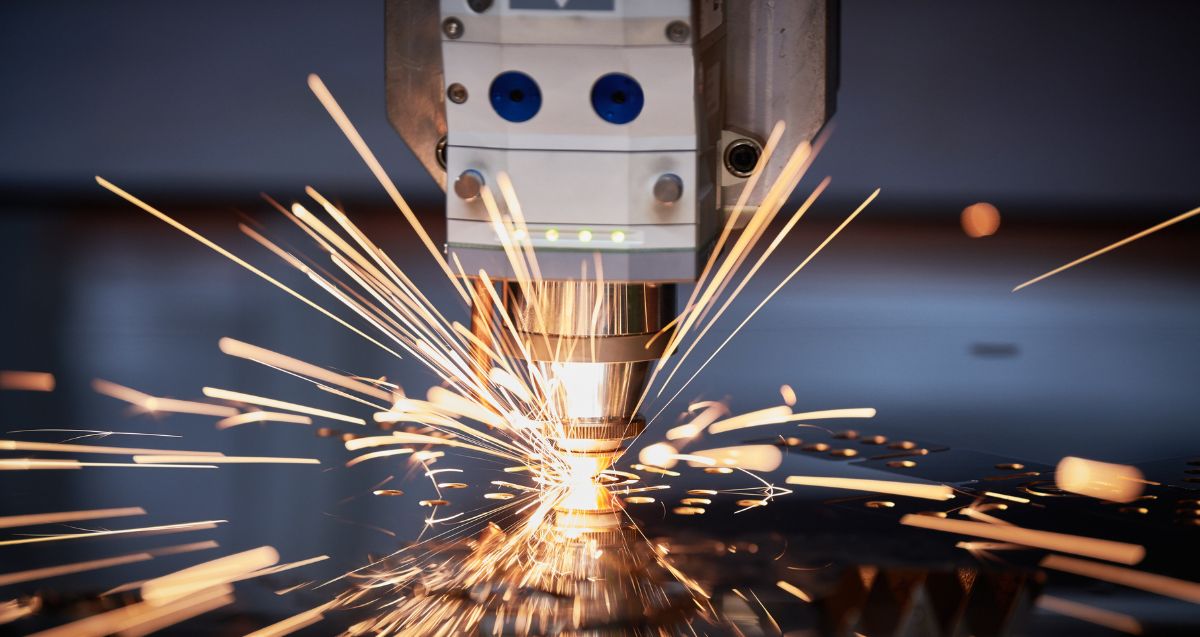
Laser cutting concentrates energy into a narrow area of the steel. Intense heat melts or vaporizes material along the programmed path, while assist gas pushes molten material away from the cut. The machine continues along that path until it separates the blade blank from the surrounding sheet.
This process creates a narrow opening known as a kerf. Manufacturers can position blade profiles closer together when the equipment produces a narrow kerf, which reduces wasted steel between neighboring blanks. That efficiency becomes especially useful when a shop works with expensive knife steels.
Precision Supports Consistent Blade Profiles
Think about two knives from the same model. You expect their overall profiles to match before you even compare the finer details. Laser cutting supports that consistency because the machine follows programmed coordinates for every blank.
Each blank therefore enters the next production stage with dimensions that closely match the original design. Workers get a consistent starting shape before they begin grinding the bevel or refining other areas. The laser doesn’t create the finished cutting edge; it prepares the profile for the work that follows.
Complex Profiles Become Easier To Produce
Knife designs don’t always follow simple outlines. A designer may create curved handle sections or detailed transitions between the handle and blade. Mechanical cutting methods can require dedicated tooling to produce those shapes efficiently.
A laser follows the digital drawing without relying on a blade-shaped die or similar physical pattern. The machine changes direction according to its programmed coordinates, giving designers greater freedom to experiment with detailed profiles. Manufacturers can then evaluate the resulting blank before deciding whether the design needs another revision.
Equipment Has To Match the Cutting Job
The laser itself plays a major role in the quality of the cut. Manufacturers need enough power for the thickness they plan to process, and they need equipment that works well with their chosen material. Poor settings can create rough edges or excessive heat near the cutting path.
Those considerations make equipment selection an important part of how laser cutting is changing knife manufacturing. Before investing in a system, a shop needs to know whether the machine fits the material and production demands it will face each day. Factors such as power requirements and the long-term costs of industrial laser equipment deserve attention before the machine reaches the production floor.
Laser Cutting Speeds Up Prototype Revisions
Prototype work gives knife makers an opportunity to find design problems before they commit to a larger run. A handle contour may need adjustment after someone tests the first sample. A designer can update the digital drawing when a physical prototype reveals a problem.
The laser can then cut another blank from the revised file without requiring a new cutting die. That connection between the digital drawing and physical steel makes repeated prototype revisions easier to manage. Designers still need to test each version, but they can move a revised profile into production without rebuilding dedicated tooling.
Material Thickness Changes the Cutting Setup
A thin knife blank places different demands on laser equipment than thick steel intended for a heavier blade. Manufacturers need to adjust the machine according to the material they plan to cut. Laser power has to suit the thickness so the beam cuts through the stock without creating unnecessary finishing work.
Steel composition also affects how the material responds to laser energy. Manufacturers need to account for those characteristics when they set up the machine for a production run. Careful configuration gives the cutting system the conditions it needs to follow the programmed profile accurately.
Heat Requires Careful Process Control
A laser creates intense heat as it travels through steel. That heat affects a narrow area beside the cut, so manufacturers need to control the process rather than treat every piece of steel the same way. The selected power level and cutting speed influence how much heat reaches the surrounding material.
Knife makers also need to consider what happens after the blank leaves the laser. Later grinding removes material from areas that need further shaping, while heat treatment establishes the properties required for the blade. Managing each stage separately keeps laser cutting focused on its primary job: producing the initial profile.
Laser Cutting Doesn’t Finish the Knife
A blade-shaped blank may look close to a knife, but substantial work still remains. Grinding creates the bevel geometry that influences how the blade moves through material. Heat treatment then changes the steel so it develops the properties intended for the finished knife.
Manufacturers also need to sharpen the blade before anyone can use it as a cutting tool. Laser cutting doesn’t replace these production stages. Instead, it gives workers an accurately shaped blank that they can carry into the remaining manufacturing process.
Digital Cutting Supports Repeatable Production
Repeatability becomes especially useful when a manufacturer produces the same knife model across a larger run. The laser works from the same digital dimensions each time, so workers don’t need to manually trace every new blank. That consistency also makes it easier to identify whether a later production stage has introduced a dimensional change.
Digital files simplify future production as well. A manufacturer can return to an existing design without recreating the original physical cutting pattern. When the design requires an update, the team can revise the file before the next batch reaches the cutting table.
Laser Technology Has Changed the Starting Point
Modern knife production still depends on what happens after a manufacturer cuts the basic profile. Grinding shapes the blade geometry, while later processing prepares the steel for actual use. Laser technology has changed the way many manufacturers reach that starting blank.
A digital design can move directly to the cutting table, where the laser reproduces the programmed profile across each piece. Manufacturers gain tighter control over the initial shape and can revise designs without creating dedicated cutting patterns for every change. For knife buyers, that technology sits quietly behind the finished blade, but it has reshaped an important part of modern production.
Shop Amazon for Ultrasonic Knives with Laser Beams on Amazon