A DIY project becomes much harder when the knife in your hand does not suit the material in front of you. Although a large outdoor knife may look capable, its size can make detailed cutting awkward, while a small craft knife may struggle with thicker material. Starting with the work itself gives you a more useful way to decide what you actually need.
Knowing how to choose the right knife for DIY projects means considering how you plan to use the blade. Looking at the material and the cuts the project requires can point you toward a knife that provides enough control without making the job unnecessarily difficult.
Begin With the Material in Front of You
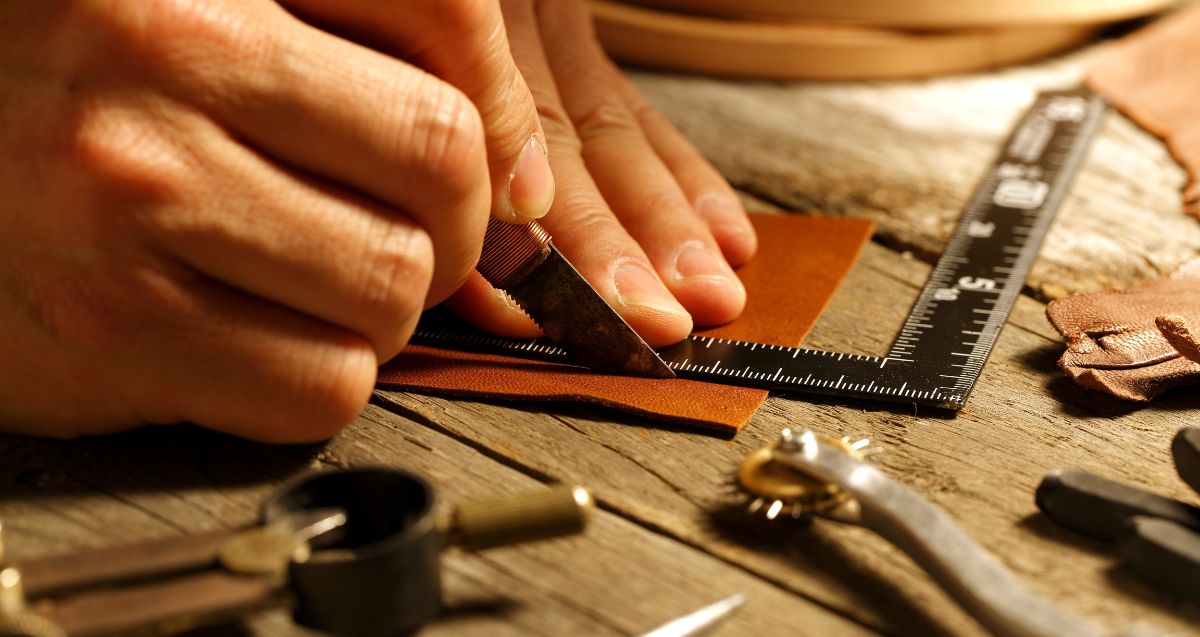
Before settling on a particular knife, consider how the material will behave once the blade begins moving through it. Thin cardboard may offer little resistance, whereas a thicker material can require a sturdier blade and a more controlled cutting motion. Leather introduces its own considerations because it can shift slightly while you follow a pattern.
As thickness and texture change from one material to another, the knife that felt comfortable during a previous project may no longer provide the same control. Pushing a blade through more resistance than it can comfortably handle can pull your hand away from the intended line. When scrap material is available, a test cut can reveal whether the knife feels suitable before you begin working on the piece you want to keep.
Consider the Cuts the Project Requires
Once you know how the material behaves, think about the movements your hand will need to make throughout the project. Following a long straight line requires a different type of control from working around a small curve, which means blade length and shape can affect how naturally you complete each cut.
For detailed work involving corners or narrow areas, a smaller blade may make it easier to see the line and guide the knife where you want it to go. Projects built around longer cuts may give you more freedom to use a larger cutting edge. Whichever option you choose, you should be able to follow the intended path without repeatedly repositioning the knife.
Rather than buying a specialized knife whenever a new project comes along, pay attention to the kinds of DIY work you genuinely enjoy. A small selection that handles your usual materials comfortably will generally prove more useful than a collection filled with blades that rarely suit your projects.
Think About the Edge You Want To Leave Behind
When a cut becomes part of the finished item’s appearance, choosing a knife involves more than finding something capable of getting through the material. A blade that tears or wanders can leave an uneven edge, and correcting the mistake may require removing material you intended to keep.
With leather projects in particular, the limited amount of usable material can make careful cutting especially worthwhile. Someone with a worn pair of Western boots, for instance, might repurpose exotic boot leather for another project once the footwear reaches the end of its useful life. Preserving an attractive section becomes easier when you mark the intended shape before cutting and choose a knife you can guide accurately.
When the material includes natural patterns or areas of wear, planning each cut can improve the finished result as much as the knife itself. A little preparation allows you to work around damaged areas while making better use of the sections worth preserving.
Choose a Knife That Feels Manageable
Although blade specifications can narrow your options, the way a knife feels in your hand determines whether you can comfortably control it during the project. An awkward handle may make precise work frustrating, particularly when you need to change direction without losing sight of your markings.
While testing how the knife feels, notice whether you can maintain a secure grip without squeezing excessively or bending your wrist into an uncomfortable position. You should have enough room to guide the blade while still seeing the area immediately ahead of it. If controlling the knife requires unnecessary force, another size or handle design may fit the task more comfortably.
Beyond the knife itself, a stable work surface gives your hands a better chance of making deliberate movements. Keeping the material from sliding reduces the temptation to compensate with extra pressure and leaves you free to concentrate on the cutting line.
Pay Attention to How the Blade Is Cutting
As you work through a project, changes in the way the blade moves can tell you when the cutting edge needs attention. A knife that initially traveled smoothly may begin requiring more pressure, making it increasingly difficult to follow the same line accurately.
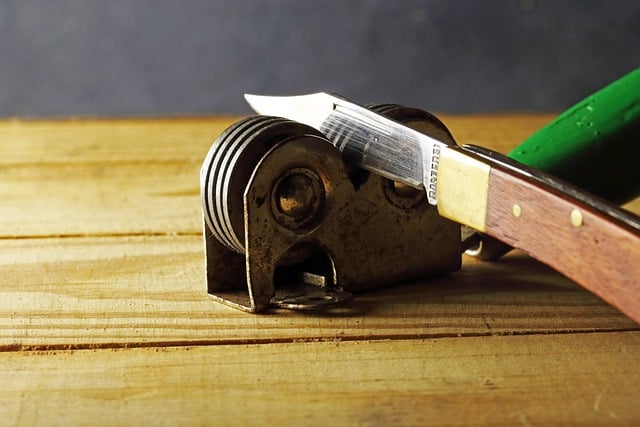
When cutting starts requiring noticeably greater effort, continuing to push harder can turn a minor blade issue into a poor cut. Depending on the knife, restoring effective performance might mean sharpening the edge correctly. Addressing the problem before continuing gives you more control over material you may not be able to replace.
Make Your Workspace Work With the Knife
Even when a knife suits the material, an awkward workspace can limit how effectively you use it. A small table may restrict longer cutting movements, while poor lighting can make a marked line difficult to follow across dark or heavily textured material.
Before making the first cut, arrange the work area so that the material can stay stable without forcing your arm into an uncomfortable position. Enough lighting should reach the cutting line for you to distinguish your markings from patterns already present on the surface. Giving the knife enough room to move can solve a control problem without requiring a different tool.
Recognize When Another Tool Makes More Sense
Part of using a knife effectively involves knowing where its job should end, especially when a DIY project combines different types of work. Trying to push the same blade through every stage can make a simple task more difficult and produce a poorer result than changing tools at the appropriate point.
During a leather project, you might use a knife to cut the main shape before reaching for a punch to create openings for stitching. If another stage requires a tool designed for a different kind of cut, making the switch allows the knife to remain focused on the work it handles well.
By reading through the project before you begin, you can identify those transitions and prepare accordingly. Doing so reduces the chance that you will attempt an unsuitable cut simply because the knife is already sitting beside you.
Let the Project Make the Final Decision
When a knife matches the work in front of you, its usefulness comes from the control it provides. DIY projects leave little room for a blade that constantly needs correcting, particularly when you’re working with a distinctive material that deserves careful handling.
Learning how to choose the right knife for DIY projects comes down to paying attention to the work in front of you. When a knife gives you enough control to make the cuts the project requires, you can spend less time fighting the tool and more time getting the result you had in mind.