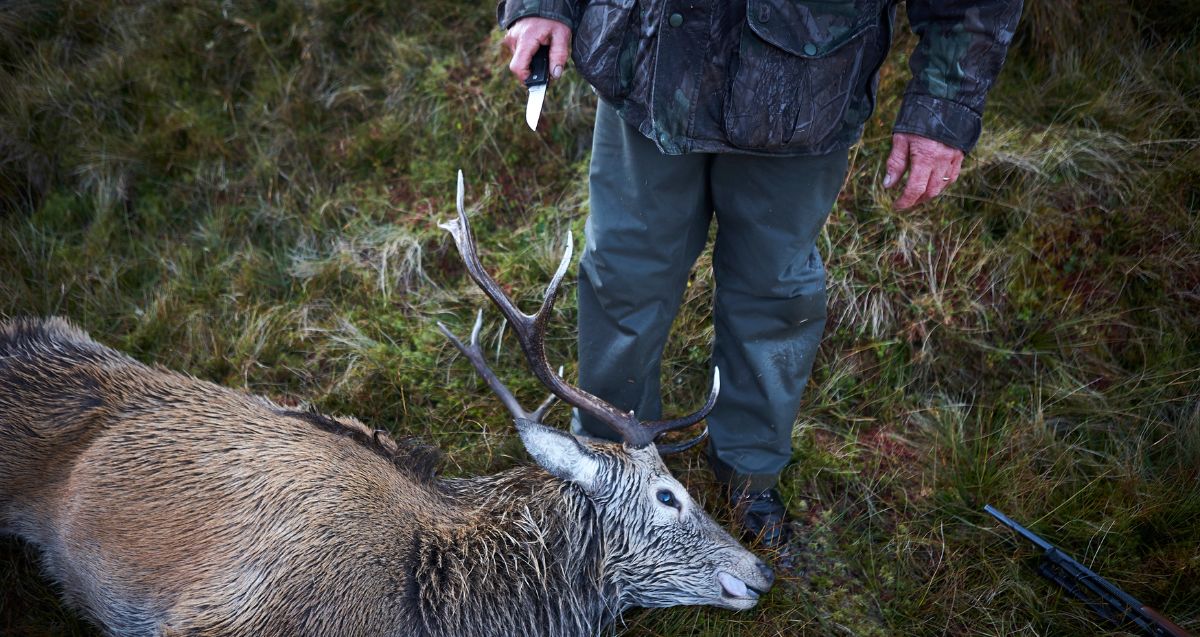
Knife selection shapes the outcome of any successful hunt, especially when field dressing requires control, durability, and precision under real conditions. In choosing the right hunting knife for deer season, enthusiasts weigh blade geometry, steel composition, and handling characteristics against the demands of outdoor processing. Hunters value tools that maintain edge retention while allowing clean, efficient cuts through hide and tissue.
Blade Shape and Its Role in Field Work
Blade design determines how effectively a knife performs during field dressing, as subtle differences influence both control and cutting ability. Drop-point blades provide a strong tip and generous belly, which supports skinning tasks while reducing the risk of puncturing internal organs. Clip-point designs offer sharper tips for detail work, yet they require greater control during delicate processing.
When selecting a knife, understanding how blade curvature interacts with movement improves your technique. For a practical reference point use a detailed hunting deer guide that guide you through how blade choice aligns with each stage of processing.
Steel Types and Edge Retention in the Field
Knife steel determines how long an edge lasts and how much effort you spend maintaining it during extended use. High-carbon steels sharpen quickly and deliver excellent bite, though they demand attention to prevent corrosion in wet environments. Stainless options resist rust, though they may require more effort to restore a fine edge.
Hunters working across varied climates tend to favor balanced alloys that combine toughness with moderate edge retention. This reduces the need for frequent sharpening while maintaining reliable cutting performance throughout a hunt.
Handle Materials and Grip Stability
Handle construction influences safety and control, particularly when hands are wet or exposed to cold conditions. Textured synthetic materials, such as rubberized polymers or G-10, provide consistent grip and resist environmental wear. Traditional wood handles offer visual appeal, though they may become slick without proper treatment, making them not practical for some hunters.
More than that, pay attention to ergonomic shaping and how it can support comfort during repetitive cutting, as a contoured grip reduces strain and improves precision. A balance between comfort and traction becomes more relevant during extended processing sessions.
Making Informed Choices for Hunting Efficiency
Selecting a knife with the right combination of blade shape, steel, handle, and size refines the entire field dressing process. In choosing the right hunting knife for deer season, thoughtful decisions lead to smoother cuts and better control in varied conditions. Knife enthusiasts can gain efficiency while maintaining consistency in outdoor processing.
No products found.