Remote fishing demands preparation, and selecting a reliable knife for remote fishing trips plays a direct role in safety and efficiency. A knife handles tasks such as cutting line, cleaning fish, preparing bait, and managing unexpected challenges in isolated conditions.
Therefore, choosing the right tool requires attention to materials, construction, and usability rather than appearance alone.
Focus on Blade Steel Performance
Blade steel influences a knife’s performance in wet, rugged environments. During fishing, knives are exposed to water, salt, and organic matter, which speed up corrosion and dulling. Stainless steels like 14C28N or AUS-8 offer strong corrosion resistance while preserving edge retention.
High-carbon steels maintain a sharper edge longer but need regular maintenance to prevent rust. Choose the steel based on trip conditions: saltwater trips require corrosion resistance, whereas freshwater trips offer more flexibility.
Choose the Right Blade Shape
Blade shape affects control and precision during fishing tasks. A poorly matched blade creates inefficiency and increases risk.
Common options include:
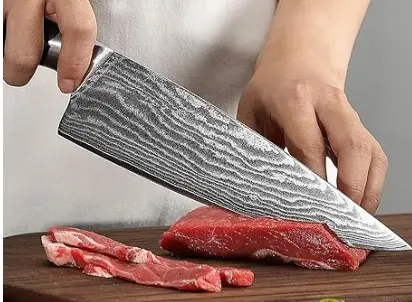
- Fillet blades: Long, flexible, and designed for precise fish cleaning
- Drop point blades: Strong tips and versatile use for cutting and slicing
- Clip point blades: Sharper tips for detailed work, but less durable
A drop point blade suits most remote fishing needs because it balances strength and control. However, anglers who prioritize fish processing may prefer a dedicated fillet knife.
Evaluate Handle Grip and Comfort
Grip stability is crucial when hands are wet, cold, or covered in fish residue, as a slipping knife poses unnecessary risk. Use handle materials such as rubberized polymers, G10, or textured composites that maintain traction in wet conditions.
While smooth wood or metal handles may look attractive, they reduce grip security outdoors. Ergonomics also matter; a contoured handle reduces fatigue during long fishing sessions.
Fixed Blade vs. Folding Knife
Knife construction impacts durability and portability. Each type serves a different purpose during remote trips.
Fixed Blade Advantages
- Stronger construction with no moving parts
- Easier cleaning after fish processing
- Greater reliability under heavy use
Folding Knife Advantages
- Compact and easy to carry
- Convenient for quick access
- Suitable for light cutting tasks
A fixed blade works best for extended trips where reliability matters most. Meanwhile, a folding knife serves as a secondary tool or backup option.
Consider Maintenance in Remote Conditions
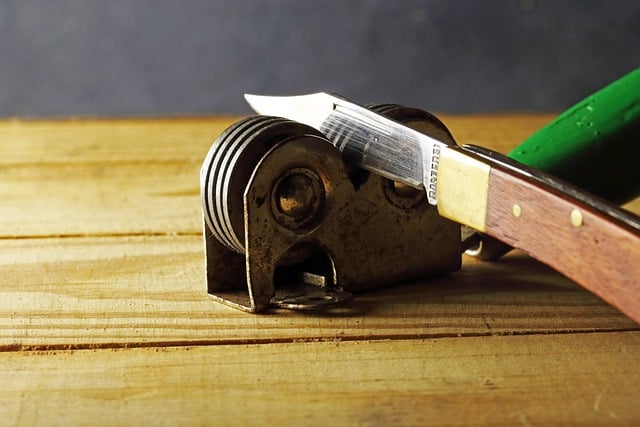
Remote locations limit access to tools and cleaning supplies. A knife requiring complex maintenance adds unnecessary complications. Select a knife that can be easily sharpened with a portable stone.
A simple edge design ensures consistent performance without special tools. Corrosion resistance reduces the need for frequent cleaning, which is essential during multi-day trips when conditions can be unpredictable.
Balance Size and Portability
Knife size affects usability and carry convenience. Larger blades handle heavy tasks but are heavier and less portable. A 3.5 to 5-inch blade balances functionality and portability, suitable for most fishing tasks.
Anglers planning to take a solo fishing trip benefit from streamlined gear choices. Every item should serve multiple functions while remaining easy to manage in isolation.
Prioritize Sheath Quality and Carry Options
A poorly designed sheath can pose safety hazards and hinder accessibility. Conversely, a well-designed sheath safeguards the blade and the user while providing quick and easy access when necessary.
Look for:
- Secure retention to prevent accidental loss
- Drainage to reduce moisture buildup
- Durable materials such as Kydex or reinforced nylon
Gear Choices Shape Remote Fishing Success
Selecting a reliable knife for remote fishing trips is essential. Anglers who consider these factors can build a gear setup that handles both routine tasks and unexpected situations with confidence.
No products found.