Choosing the right emergency utility knife features can make a critical difference when reliability matters most. Users rely on these knives in survival situations, rescue scenarios, and everyday preparedness tasks. A well-designed knife delivers consistent performance under pressure and gives the user full control. This guide outlines the essential characteristics that define a dependable emergency utility knife.
Blade Design and Edge Type
The blade design determines how effectively a knife performs in high-stress situations. Serrated edges grip and cut through tough materials like rope, webbing, and fabric with minimal effort. Many users prioritize emergency utility knife features, such as partially serrated edges, because they enable both clean slicing and aggressive cutting. Curved or hawkbill blade shapes also improve cutting efficiency by maintaining constant contact with the material.
Steel Quality and Edge Retention
Steel quality directly impacts how long a knife maintains its edge and resists environmental damage. High-carbon stainless steel offers a strong balance of durability and corrosion resistance. This combination allows the blade to perform reliably even in wet or dirty conditions. Users benefit from longer intervals between sharpening, which proves valuable in emergency situations.
Handle Ergonomics and Grip Security
Handle design plays a key role in maintaining control during use. Textured materials such as G-10, micarta, or rubberized polymers help users maintain a firm grip, even with wet or gloved hands. Finger grooves and guards add another layer of control and reduce the chance of slipping. A secure grip allows the user to apply force confidently and safely.
Deployment and Accessibility
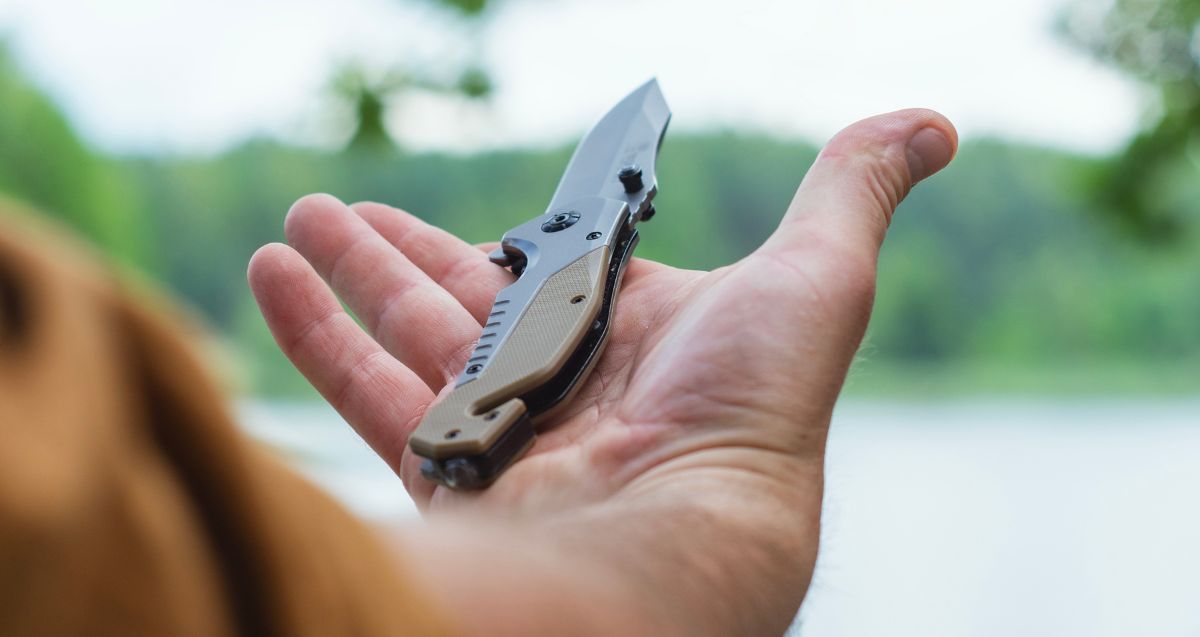
Emergencies demand immediate access to tools. Fixed-blade knives are instantly usable because they require no deployment. Folding knives can still perform well if they include a reliable one-handed opening mechanism and a secure locking system. A well-designed sheath or clip ensures the knife remains accessible without interfering with movement.
Size and Portability
Knife size affects both usability and convenience. A compact knife allows precise control and easy carry, while still delivering enough cutting power for demanding tasks. Oversized blades can reduce maneuverability and slow response time. Many users prefer compact fixed blades because they balance strength, control, and portability.
Specialized Features for Emergency Use
Some knives include features designed specifically for rescue and emergency tasks. Blunt tips reduce the risk of accidental injury, while hook-style cutters slice through straps and cords quickly. Aggressive serrations improve performance when cutting fibrous materials under tension. Knives like the CRKT Bear Claw with Veff Serrations highlight how targeted design elements can improve cutting efficiency in high-pressure scenarios.
Durability and Build Quality
Durability ensures that a knife performs when users need it most. Full tang construction strengthens the knife by extending the blade through the handle. High-quality manufacturing reduces the risk of failure during heavy use. Users should avoid fragile materials or overly complex mechanisms that could compromise reliability.
Selecting a Knife You Can Rely On
Understanding the core features of an emergency utility knife helps users choose tools that perform reliably in critical situations. Blade design, steel quality, grip security, and accessibility all influence effectiveness. A well-built emergency knife supports both safety and efficiency when conditions become unpredictable. Careful selection ensures long-term reliability and confidence in demanding environments.
No products found.